Ixcali - Agave Farm
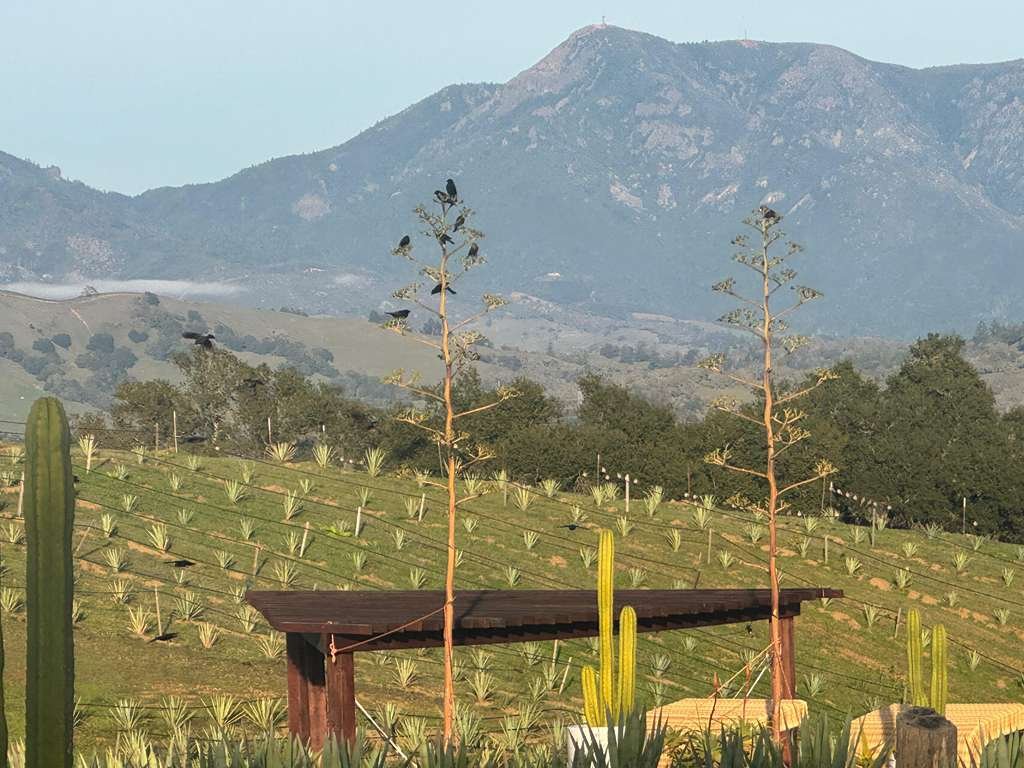
Our story begins in the heart of Sonoma County, in the renowned Chalk Hill AVA, where Mediterranean-influenced climate meets volcanic soils and cooling coastal breezes. Here, on our estate, we are intentional about where and how we plant — studying sun exposure, soil structure, slope, and microclimates to understand how agave thrives on this land. Over years and seasons, these elements shape plant growth, root behavior, and ecosystem interactions in ways that speak to the unique terroir of Chalk Hill. This is not about speed; it’s about listening to the land and stewarding its character into every acre we cultivate.

But it’s not just about where we grow; it’s about how we grow. We steward our land with biodynamic and regenerative practices — no chemicals, no shortcuts, no compromise. We focus on soil health, carbon capture, water balance, pollinator habitat, and species diversity because we believe that strong ecosystems are the foundation of extraordinary agave. Everything here is done with care, patience, and a long-term commitment to ecological and agricultural resilience.
What we are building at Ixcali is not defined by a product on a shelf, but by the vitality of the landscape, the strength of the plants, and the lessons we learn from seasons of observation. This is a multi-year agricultural endeavor — one that contributes to California’s broader agave community, shares insights about terroir expression, and demonstrates how regenerative practices can change what agave farming looks like here. Our work is about place, potential, and the future of drought-adapted agriculture in this state.
Once in a Lifetime
On the slope above fields
of hunkering agaves
and not yet blossoming
fig, olive, apple trees,
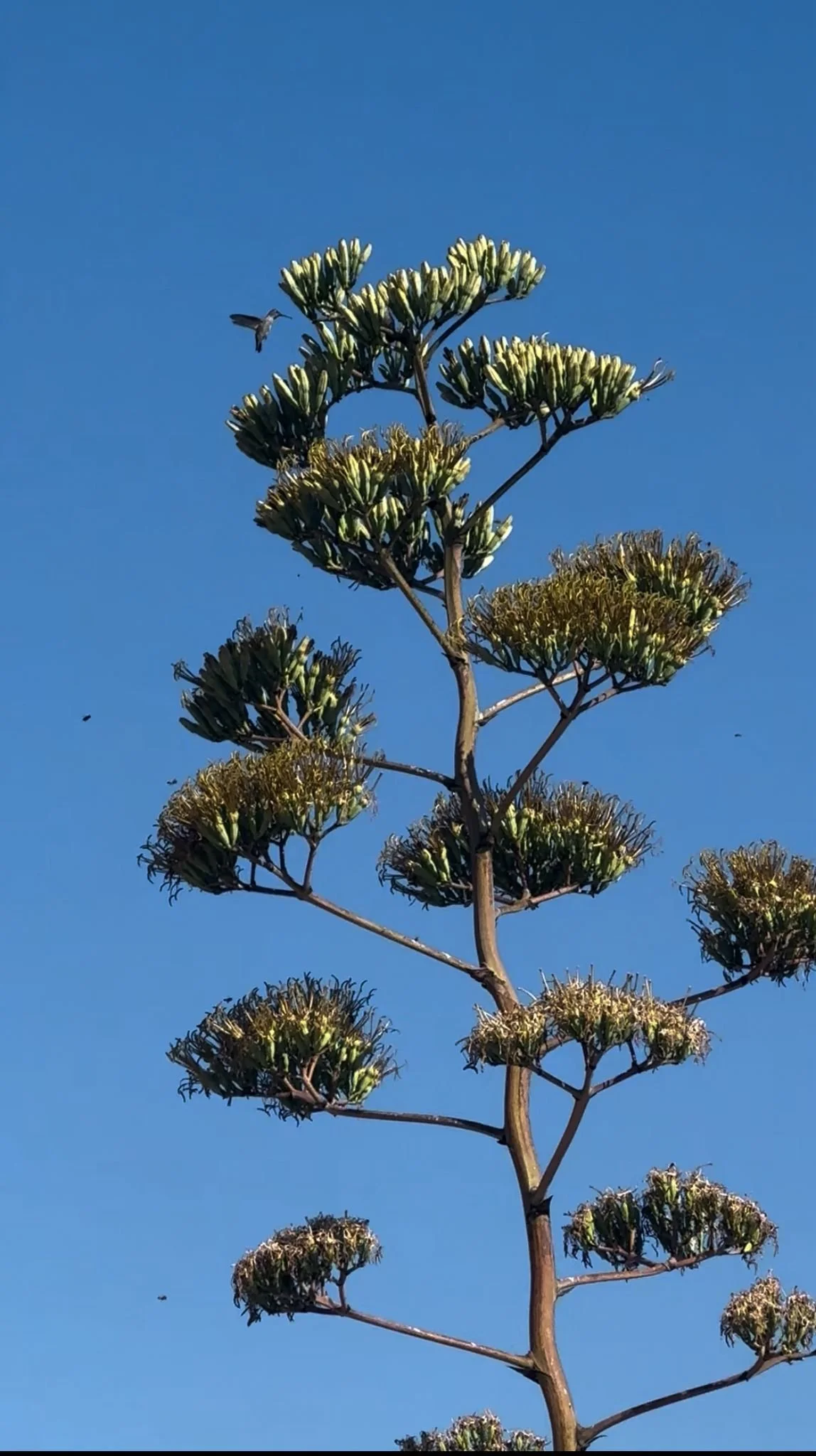
the old agave shoots up
a nearly naked spear,
seven feet tall, from its
base of sharp but tired
leaves. Buried deep,
ready to burst, its root ball
has thrust up this once
in a lifetime signal.
Near the spear’s top, eight
or so spindly branches wave,
and on each—look closely—
a row of fragile buds is
slowly opening.
All of these are signs that
the agave’s swollen root ball
is ready for harvest and old
agave will die, but before that,
those tiny buds will open,
drop hundreds of little seeds
into the soil and become
the legacy and promise of
this Mexican Tree of Life.
Chris Godwin - 2025